 Before we look at this tragic accident, please make yourself aware of the standards which should be applied to ensure this doesn’t happen in your workplace.
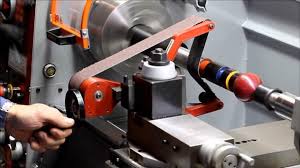
The HSE is clear that emery cloth must never be applied by hand to a rotating workpiece. Contact with moving parts can lead to rapid entanglement and fatal injuries. 👉 Read the guidance: HSG129 – Health and safety in engineering workshops. We always look at issues such as this – and the hidden signs which might lead our safety consultants to believe this is happening. If you feel you would benefit from a similar audit, please contact us or request a call back for further advice. If you are a Safety~net member, please contact us to arrange this audit with your retainec consultant.
Forge fined £750,000 after worker dragged 20-metre lathe in entirely preventable incident
Somers Forge Limited has been ordered to pay £750,000 after a tragic workplace accident resulted in the death of a machinist who became entangled in a 20-metre lathe. The prosecution highlights significant safety failings and reinforces long-established guidance on machine risk management.
A Preventable Tragedy
On 8 December 2023, 54-year-old machinist Nick Hardiman was working in the machine shop at Somers Forge’s facility in Halesowen when the fatal incident occurred. Mr Hardiman was finishing a rotating component on the forge’s large lathe using hand-held emery cloth — a practice specifically warned against in machine safety guidance.
While the lathe was in motion, Mr Hardiman became entangled with the rotating workpiece. Despite rapid emergency response, he sustained catastrophic injuries and died later that evening. His loss has devastated his family and loved ones.
HSE Investigation Identified Serious Failings
The subsequent investigation by the Health and Safety Executive (HSE) uncovered multiple breaches of duty under the Health and Safety at Work etc Act 1974:
- Failure to prohibit the use of hand-held emery cloth on live lathes.
- Inadequate measures to prevent access to dangerous moving parts.
- A lack of adequate risk assessment or safe operating procedures for lathe work.
- Insufficient control of personal protective equipment (PPE) that inadvertently increased risk.
HSE Inspector Sophie Neale emphasised that this was “an entirely preventable incident” and reiterated employers’ obligations to implement safe systems of work and control foreseeable hazards.
Court Outcome and Wider Lessons
Somers Forge Limited pleaded guilty at Walsall Magistrates’ Court to breaching Section 2(1) of the HSW Act. In addition to the £750,000 fine, the company was ordered to pay £38,314 in costs.
HSE’s guidance on metalworking lathes specifically states that emery cloth should never be applied by hand to rotating machinery. Safe alternatives include clamping work in place or using purpose-designed holding tools to prevent direct contact with moving parts.
This case sits within a broader pattern of serious lathe-related accidents reported in industry, where poor machine guarding, lack of risk assessment and unsafe working practices have repeatedly contributed to life-altering injuries or death.
Key Takeaways for Duty Holders
This prosecution underscores fundamental principles of machinery safety:
- Risk assessments must be suitable and sufficient. Identifying hazards is a legal requirement, not optional.
- Safe operating procedures must be documented and enforced. Workers should never improvise dangerous tasks.
- Machine guarding and control measures must be effective and cannot be bypassed or ignored.
- Training and supervision should align with hazards posed by specific equipment.
For firms that use lathes and similar industrial plant, this enforcement serves as a stark reminder of the catastrophic consequences of complacency. Machinery casualties can be avoided when risk control principles are properly applied.